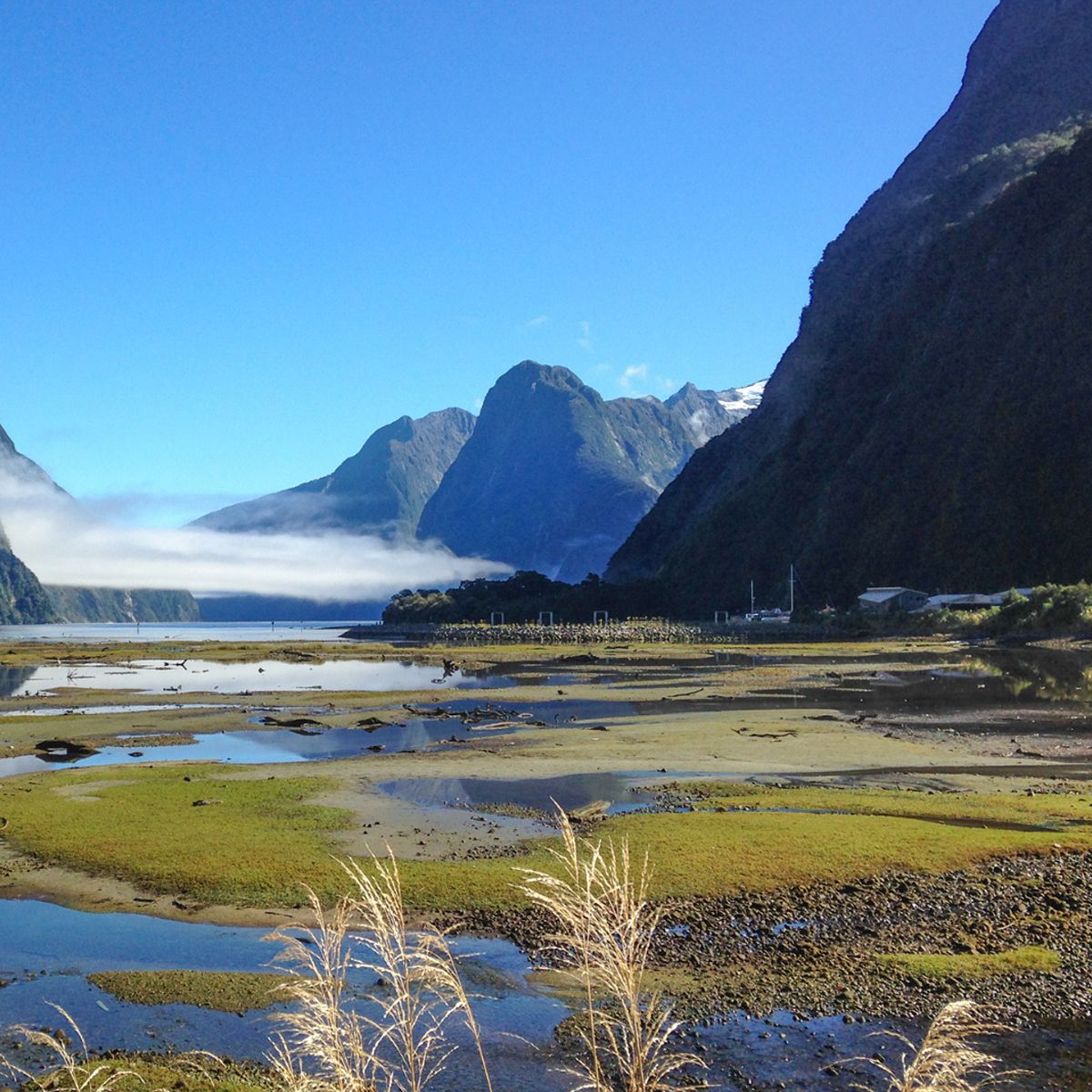
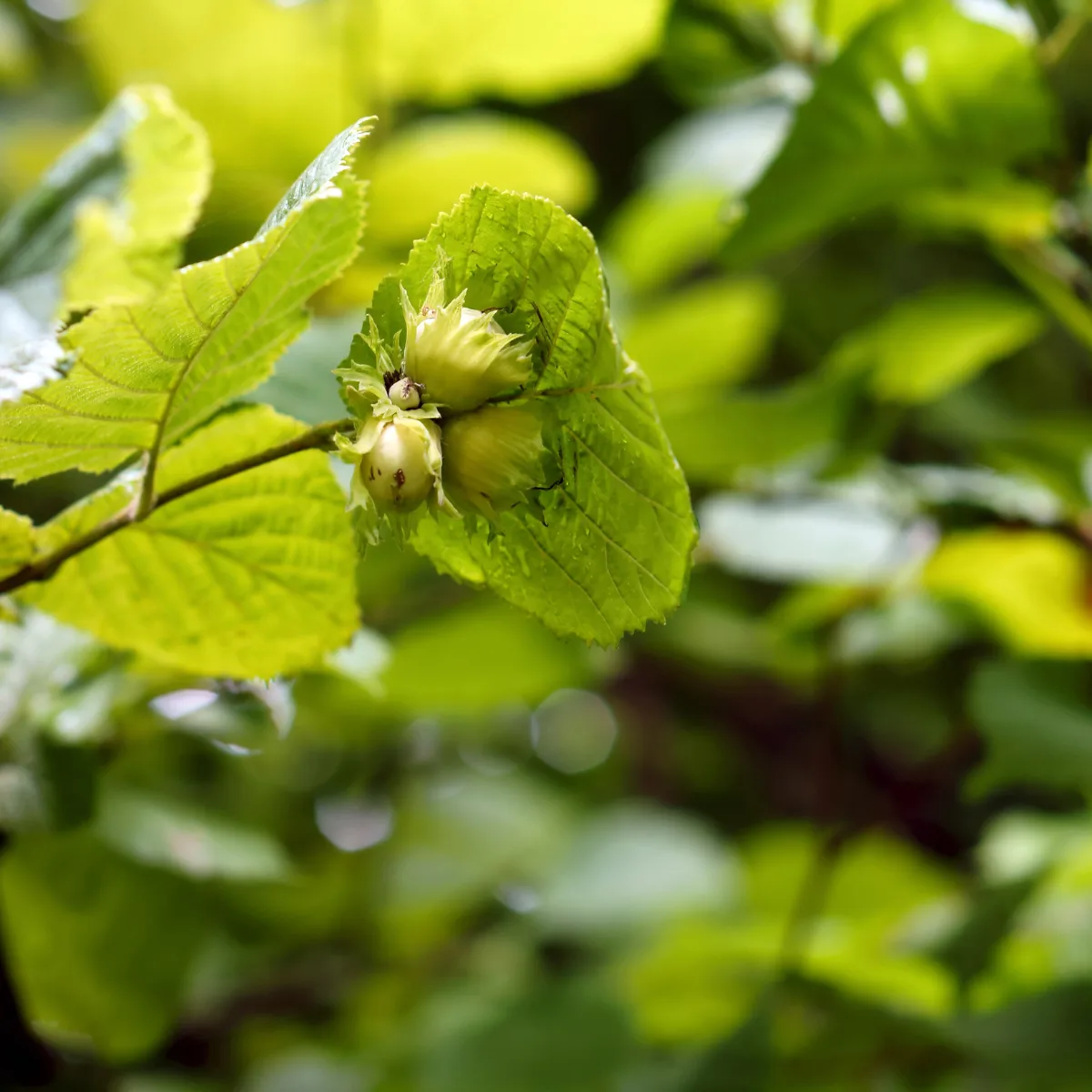
I was working in an overgrown forest garden last month. And somewhere beneath a dense mass of brambles was a hazel tree that had been planted more than twenty years ago. Over time, the garden had become untended. The owner no longer had the capacity to care for it, and eventually the tree disappeared completely from sight.
You would not have known it was there.
The work was simply making space at first. Cutting back the larger brambles. Creating light. Slowing down enough to notice shapes underneath the chaos of tangled thorns and shadows.
Gradually, the outline of the hazel tree began to emerge.
The work became more careful and intricate. Brambles had wrapped themselves tightly around the branches and through the new leaf growth. Untangling them took patience and sometimes, despite care, branches were pulled. Leaves were lost. I got scratched repeatedly and thorns embedded themselves in my clothes and skin.
Beneath the surface, the roots of the brambles remained, ready to come back quickly. They had to be dug out carefully to stop the overgrowth returning and reclaiming the space again.
It struck me afterwards how much this mirrors the process of therapy.
Often, people arrive having lost sight of themselves beneath years of adaptation, survival, anxiety, grief, trauma, responsibility, burnout, or other people’s needs. What is essential in them is not gone, but it may be obscured, tightly bound up, highly defended, or difficult to reach.
Therapy is not usually a dramatic revelation. More often, it is slow and patient work. We spend time creating enough safety and space for something hidden to begin to emerge.
We take time to carefully disentangle what has wrapped itself around a person over many years.
Sometimes that process can feel uncomfortable, exposing, or even painful. Old protective patterns do not release easily. There can be loss involved: letting go of identities, beliefs, coping mechanisms, ways of surviving that were necessary once but are no longer useful.
Underneath all of the overgrown defenses, there is often still the seed, the essence of one's self, long ago planted and ready for more space and attention.
Not a “new” self created by therapy, but something more authentic that was there all along.
The hazel tree was never gone.
It was simply hidden.